Estilo de Computação de Alta Performance
Powerful and technical landing page for new server processors. Ideal for landing pages, modern websites. AI-ready template.
Use case: Landing pages, Modern websites
Historical Context
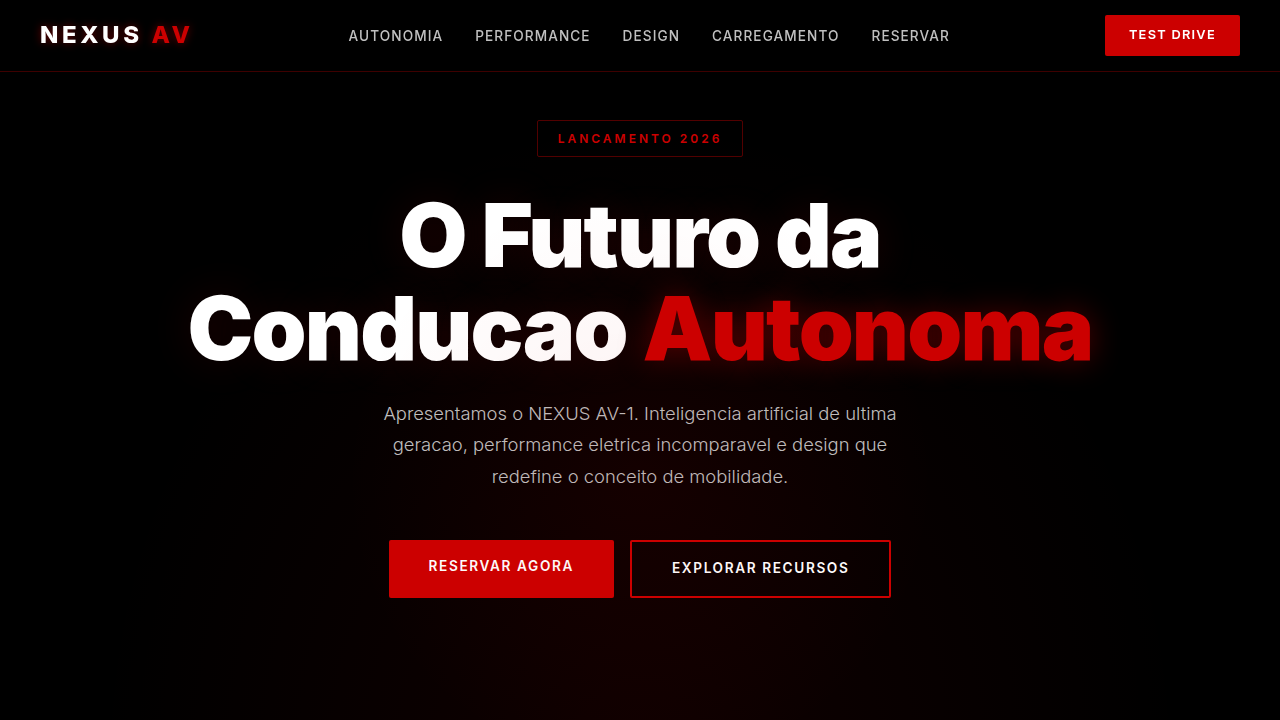
The visual language of high performance computing didn't emerge from design studios. It came from engineering floors, from the need to make invisible power tangible. NVIDIA's green-black palette wasn't arbitrary — it was born from terminal screens and circuit boards, then weaponized into brand identity. AMD went red and angular. Intel stayed blue and clinical. All three arrived at the same conclusion: raw computation needs a visual proxy, something that says 'this thing thinks faster than you.' The data center aesthetic solidified in the mid-2010s when cloud providers started marketing infrastructure directly. Suddenly, rows of blinking servers became hero images. The visual vocabulary crystallized: deep blacks, electric accent colors, wireframe geometries suggesting parallel pathways, and that specific glow — always a glow — implying energy being converted into intelligence. It's theatrical, sure. But it works because it maps to something real: the sublime scale of coordinated silicon. What's interesting is how this style borrowed from sci-fi while simultaneously making sci-fi look quaint. The actual inside of an H100 cluster is more visually compelling than most movie sets. Designers figured that out.
When to Use
Deploy this when you're selling compute, not software. GPU cloud platforms, chip announcements, HPC dashboards, scientific computing portals, benchmark visualizations. It works when your audience understands FLOPS and cares about throughput. Also effective for AI infrastructure companies that need to communicate scale without dumbing it down. Avoid it for consumer products — this aesthetic assumes technical literacy and rewards it. If your users wear lab coats or manage racks, you're in the right territory.
Design Principles
- Depth over flatness — use layered compositions with z-axis progression to suggest computational depth and parallel processing lanes
- Controlled energy — electric accents (cyan, magenta, green) against near-black backgrounds, always implying power being harnessed rather than exploding
- Geometric precision — wireframes, grids, and node-graph patterns that reference actual chip architecture and data flow topology
- Scale communication — typography and spacing that conveys magnitude; let whitespace do the work of suggesting how much is happening beneath the surface
- Material honesty — reference real textures (brushed aluminum, silicon wafer iridescence, fiber optic light trails) rather than generic gradients
DESIGN.md
---
version: "alpha"
name: "Estilo de Computação de Alta Performance"
description: "Powerful and technical landing page for new server processors. Ideal for landing pages, modern websites. AI-ready template."
colors:
  primary: "#ED1C24"
  secondary: "#000000"
  tertiary: "#FFFFFF"
  neutral: "#333333"
  surface: "#C0C0C0"
  accent: "#00BFFF"
typography:
  h1:
    fontFamily: Roboto
    fontSize: 2.5rem
    fontWeight: 700
  body-md:
    fontFamily: Roboto
    fontSize: 1rem
    fontWeight: 400
components:
  button-primary:
    backgroundColor: "{colors.primary}"
    textColor: "{colors.neutral}"
    padding: 12px
---

## Overview

Powerful and technical landing page for new server processors. Ideal for landing pages, modern websites. AI-ready template. The visual language of high performance computing didn't emerge from design studios. It came from engineering floors, from the need to make invisible power tangible. NVIDIA's green-black palette wasn't arbitrary — it was born from terminal screens and circuit boards, then weaponized into brand identity. AMD went red and angular. Intel stayed blue and clinical. All three arrived at the same conclusion: raw computation needs a visual proxy, something that says 'this thing thinks faster than you.'

The data center aesthetic solidified in the mid-2010s when cloud providers started marketing infrastructure directly. Suddenly, rows of blinking servers became hero images. The visual vocabulary crystallized: deep blacks, electric accent colors, wireframe geometries suggesting parallel pathways, and that specific glow — always a glow — implying energy being converted into intelligence. It's theatrical, sure. But it works because it maps to something real: the sublime scale of coordinated silicon.

What's interesting is how this style borrowed from sci-fi while simultaneously making sci-fi look quaint. The actual inside of an H100 cluster is more visually compelling than most movie sets. Designers figured that out.

- Density: 7/10 — Compact
- Variance: 4/10 — Moderate
- Motion: 4/10 — Subtle

- **Style:** Powerful, Technical, Modern
- **Keywords:** processors, GPUs, data center, high performance, technical, modern, efficient, scalable, reliable, cutting-edge
- **Era:** 2026+ HPC Dominance
- **Light/Dark:** ✗ No / ✓ Full

## Colors

- **Vermelho Performance** (#ED1C24) — Error states, destructive actions
- **Preto** (#000000) — Dark surface, primary background
- **Branco** (#FFFFFF) — Light surface, card backgrounds
- **Cinza Escuro** (#333333) — Dark surface, primary background
- **Prata** (#C0C0C0) — Extended palette, decorative use
- **Azul Elétrico** (#00BFFF) — Secondary accent
- **Verde** (#00FF00) — Success states, positive indicators
- **Cinza Claro** (#CCCCCC) — Secondary text, borders, muted elements


## Typography

- **Display / Hero:** Roboto — Weight 700, tight tracking, used for headline impact
- **Body:** Roboto — Weight 400, 16px/1.6 line-height, max 72ch per line
- **UI Labels / Captions:** Roboto — 0.875rem, weight 500, slight letter-spacing
- **Monospace:** JetBrains Mono — Used for code, metadata, and technical values

Scale:
- Hero: clamp(2.5rem, 5vw, 4rem)
- H1: 2.25rem
- H2: 1.5rem
- Body: 1rem / 1.6
- Small: 0.875rem


## Layout

- **Grid:** CSS Grid primary. Max-width containment: 1280px centered with 1.5rem side padding.
- **Spacing rhythm:** Balanced. Base unit: 0.5rem (8px).
- **Section vertical gaps:** clamp(4rem, 8vw, 8rem).
- **Hero layout:** Split-screen (text left, visual right).
- **Feature sections:** Zig-zag alternating text+image rows. No 3-equal-columns.
- **Mobile collapse:** All multi-column layouts collapse below 768px. No horizontal overflow.
- **z-index contract:** base (0) / sticky-nav (100) / overlay (200) / modal (300) / toast (500).


## Elevation & Depth

Visualizações de desempenho de chips, diagramas de arquitetura de processadores, brilhos sutis em elementos de alta performance, tipografia técnica e ousada, micro-interações de dados em tempo real, elementos modulares, animações de fluxo de dados e calor.

- **Physics:** Ease-out curves, 200-300ms duration. Smooth and predictable.
- **Entry animations:** Fade + translate-Y (16px → 0) over 420ms ease-out. Staggered cascades for lists: 80ms between items.
- **Hover states:** Subtle color shift + shadow adjustment over 200ms.
- **Page transitions:** Fade only (200ms).
- **Performance:** Only transform and opacity animated. No layout-triggering properties.


## Shapes

Base corner radius: 8px. See rounded tokens in front matter for the full scale.


## Components

- **Primary Button:** Subtly rounded (0.5rem) shape. Accent color fill. Hover: 8% darken + subtle lift shadow. Active: -1px translate tactile press. Font weight 600. No outer glows.
- **Secondary / Ghost Button:** Outline variant. 1.5px border in muted color. Text in primary color. Hover: subtle background fill.
- **Cards:** Subtly rounded (0.5rem) corners. Surface background. Subtle shadow (0 2px 12px rgba(0,0,0,0.06)). 1px border stroke.
- **Inputs:** Label above input. 1px border stroke. Focus ring: 2px accent color offset 2px. Error text below in semantic red. No floating labels.
- **Navigation:** Primary surface background. Active item: accent color indicator. Font weight 500 when active.
- **Skeletons:** Shimmer animation matching component dimensions. No circular spinners.
- **Empty States:** Icon-based composition with descriptive text and action button.


## Do's and Don'ts

- No emojis in UI — use icon system only (Lucide, Heroicons)
- No pure black (#000000) — use off-black or charcoal variants
- No oversaturated accent colors (saturation cap: 80%)
- No 3-column equal-width feature layouts — use zig-zag or asymmetric grid
- No `h-screen` — use `min-h-[100dvh]`
- No AI copywriting clichés: "Elevate", "Seamless", "Unleash", "Next-Gen"
- No broken external image links — use picsum.photos or inline SVG
- No generic lorem ipsum in demos

- Do Visualizações de desempenho
- Do Diagramas de arquitetura
- Do Brilhos de alta performance
- Do Tipografia técnica
- Do Micro-interações de dados
- Do Animações de fluxo de calor.


## Use Case

Landing pages, Modern websites
Technical Specs
CSS
background: #000000, color: #FFFFFF, text-shadow: 0 0 8px rgba(237,28,36,0.5), box-shadow: inset 0 0 15px rgba(0,0,0,0.7), border-left: 3px solid #ED1C24, font-family: "Roboto, sans-serif", animation: chip-glow 5s linear infinite alternate, perspective: 1200px, transform-style: preserve-3d.
Variables
--performance-red: #ED1C24, --black: #000000, --white: #FFFFFF, --dark-grey: #333333, --glow-intensity: 0.5, --border-accent: 3px solid #ED1C24, --font-tech: "Roboto, sans-serif".
Checklist
☐ Visualizações de desempenho, ☐ Diagramas de arquitetura, ☐ Brilhos de alta performance, ☐ Tipografia técnica, ☐ Micro-interações de dados, ☐ Animações de fluxo de calor.
Colors
Primary
Secondary
Effects
Visualizações de desempenho de chips, diagramas de arquitetura de processadores, brilhos sutis em elementos de alta performance, tipografia técnica e ousada, micro-interações de dados em tempo real, elementos modulares, animações de fluxo de dados e calor.
Light/Dark
✗ No / ✓ Full
AI Prompt
Act as a Senior Frontend Engineer and Expert UI Designer.
Your task is to code a complete Landing Page on the first attempt.
- Landing Page Theme: <INSERT THEME>
- Sections to add: <INSERT SECTIONS>

Generate the final code immediately following these definitions:

## Style

- **Name:** Estilo de Computação de Alta Performance
- **Type:** Powerful, Technical, Modern
- **Keywords:** processors, GPUs, data center, high performance, technical, modern, efficient, scalable, reliable, cutting-edge
- **Era:** 2026+ HPC Dominance
- **Light/Dark:** ✗ No / ✓ Full

## Color Palette

- **Primary:** Vermelho Performance #ED1C24, Preto #000000, Branco #FFFFFF, Cinza Escuro #333333
- **Secondary:** Prata #C0C0C0, Azul Elétrico #00BFFF, Verde #00FF00, Cinza Claro #CCCCCC

## Visual Effects

Visualizações de desempenho de chips, diagramas de arquitetura de processadores, brilhos sutis em elementos de alta performance, tipografia técnica e ousada, micro-interações de dados em tempo real, elementos modulares, animações de fluxo de dados e calor.

## AI Visual Direction

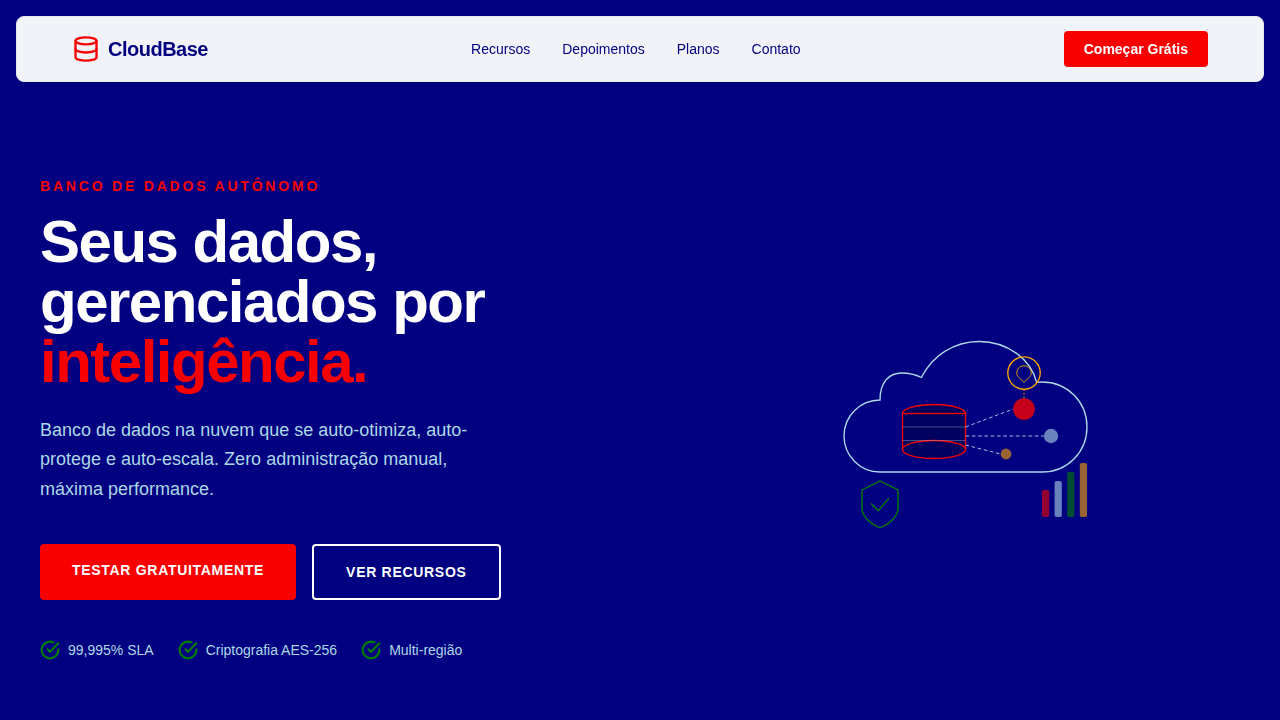
Design a powerful and technical landing page for new server processors. Use: performance red accents, black background, chip performance visualizations, processor architecture diagrams, subtle high-performance glows, bold technical typography, real-time data micro-interactions, modular elements, data and heat flow animations, cutting-edge and efficient feel.

## CSS Technical

```css
background: #000000, color: #FFFFFF, text-shadow: 0 0 8px rgba(237,28,36,0.5), box-shadow: inset 0 0 15px rgba(0,0,0,0.7), border-left: 3px solid #ED1C24, font-family: "Roboto, sans-serif", animation: chip-glow 5s linear infinite alternate, perspective: 1200px, transform-style: preserve-3d.
```

## Design System Variables

```css
--performance-red: #ED1C24, --black: #000000, --white: #FFFFFF, --dark-grey: #333333, --glow-intensity: 0.5, --border-accent: 3px solid #ED1C24, --font-tech: "Roboto, sans-serif".
```

## Implementation Checklist

- ☐ Visualizações de desempenho
- ☐ Diagramas de arquitetura
- ☐ Brilhos de alta performance
- ☐ Tipografia técnica
- ☐ Micro-interações de dados
- ☐ Animações de fluxo de calor.

## Execution Rules

1. Strictly follow the defined visual style.
2. Use high-quality inline SVG icons (Heroicons or Lucide style) — NEVER use emojis as icons.
3. Add `cursor-pointer` and smooth `hover` states (transition-all) on all interactive elements.
4. Required Page Structure:
   - Navbar (Logo + Links + CTA)
   - Hero Section (Impactful Headline + Subtitle + 2 buttons + 3D/Abstract visual element via CSS)
   - Features (3 cards with icons)
   - Testimonials (3 cards)
   - Pricing (3 tiers, highlight the middle one)
   - Final CTA
   - Full Footer with social links, privacy policy, terms of use, contact and SEO links.
5. All text content must be in English.
6. The visual must be CLEARLY distinct — do not create a "default Bootstrap" design. Force the use of the provided design system variables.
7. Use `<style>` tags in the head for custom classes (especially for complex backdrop-filter effects and animations) that Tailwind CDN doesn't cover.
8. Full Responsiveness: Layout must adapt perfectly to Mobile, Tablet and Desktop (vertical stack on mobile).
9. Include basic SEO, Viewport and Open Graph meta tags in `<head>`.
10. Footer must contain: Copyright 2026, Secondary navigation links and Social media icons.
11. Make the creative decisions needed to deliver the complete, functional result now.
Related
Last synced: 4/1/2026